
The Thrill of Uncertainty
The act of gambling inherently involves risk, and this risk is often what attracts players to the casino. The thrill of uncertainty can ignite excitement and adventure in individuals, prompting them to engage in behaviors they might otherwise avoid. This psychological reaction fuels a desire for risk-taking, as the unpredictability of outcomes can create adrenaline highs akin to riding a roller coaster. For instance, many players enjoy visiting a bitcoin casino that offers various gaming options, heightening their emotional experience with potential rewards. The allure of potential rewards, alongside the uncertainty of losing, serves to heighten this emotional experience.
Moreover, the brain’s response to gambling often releases dopamine, a neurotransmitter associated with pleasure and reward. When players win, even a small amount, it reinforces their desire to play again. This cycle of risk and reward can lead to repeated behaviors in hopes of achieving the same exhilaration, thus perpetuating the gambling habit. Understanding this cycle can help explain why many people are drawn to casinos despite knowing the odds are often against them.
Social Influences on Gambling Behavior
The social environment plays a significant role in gambling habits. Casinos are designed to create a vibrant atmosphere, filled with fellow gamblers, enticing sounds, and engaging visuals. This communal experience can encourage individuals to take risks, influenced by the behaviors and emotions of those around them. The phenomenon of peer pressure can be particularly potent in a casino setting, where the desire to fit in or share in the excitement can lead individuals to gamble beyond their means.
Furthermore, social interactions, whether through direct conversations or shared experiences, can shape one’s perception of gambling. Individuals may perceive gambling as a social activity rather than a solitary risk-taking behavior, thus normalizing the practice. This social aspect can provide a sense of camaraderie and belonging, making the act of gambling feel less risky and more widely accepted among peers.
The Role of Cognitive Biases
Cognitive biases play a crucial role in the decisions gamblers make. One such bias is the “illusion of control,” where individuals believe they can influence outcomes that are purely based on chance. This cognitive distortion can lead players to engage in more gambling, convinced that their skills or strategies can change the odds. Recognizing these biases is essential for understanding why some individuals persist in gambling despite previous losses.
Another significant bias is the “gambler’s fallacy,” where individuals mistakenly believe that past events can affect future outcomes. For example, if a player has lost multiple games, they might assume a win is due. This flawed reasoning can compel players to continue gambling, hoping that their luck will change and resulting in escalating risk-taking behavior. Addressing these cognitive distortions is vital for anyone looking to understand their gambling habits.
The Emotional Drivers Behind Gambling
Emotions play a significant role in gambling behavior, influencing the decisions individuals make at the casino. For some, gambling serves as an escape from stress or negative emotions, allowing them to experience temporary relief from everyday challenges. The anticipation of a win can evoke feelings of hope and excitement, making it an appealing option for those seeking to alleviate emotional turmoil.
Additionally, the emotional highs associated with victories can create a psychological dependency on gambling. The desire to replicate the euphoric feeling of a win can lead to repeated risk-taking behavior. Subsequently, losses can also trigger emotional responses, such as anger or frustration, which may cause individuals to gamble further in hopes of recouping their losses. This emotional rollercoaster can solidify a cycle of risk and reward, making it difficult for individuals to step away from gambling.
Discovering More About Gambling Psychology
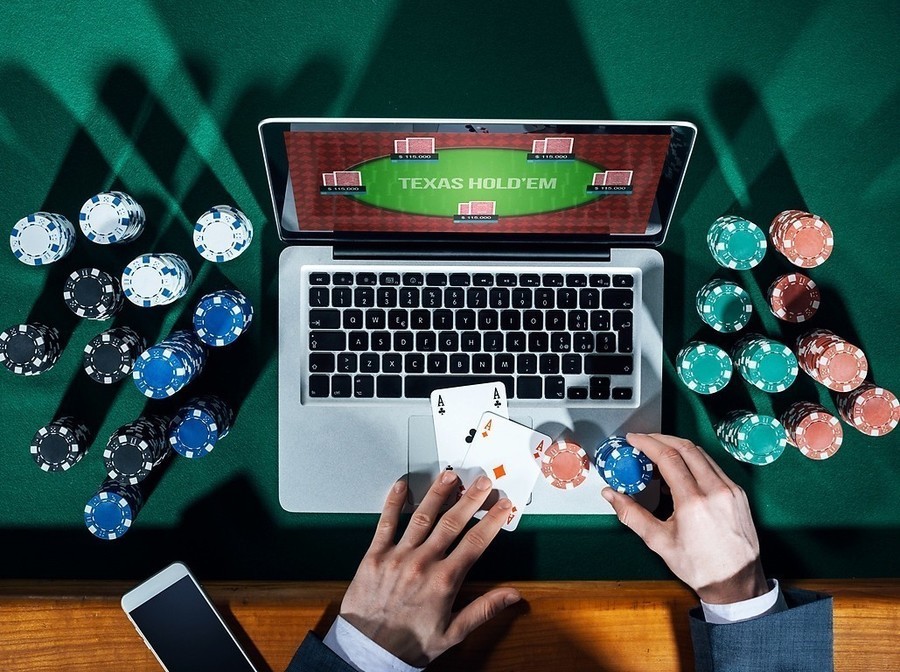
For those interested in delving deeper into casino gambling and its psychological implications, our website offers extensive resources. We focus on exploring the intricacies of gambling behavior, covering topics such as risk-taking, emotional influences, and the social dynamics at play. By providing thoughtful insights and analysis, we aim to foster a greater understanding of why individuals are drawn to gambling.
As the landscape of gambling continues to evolve, particularly with the rise of cryptocurrency casinos, our platform is dedicated to keeping you informed. We provide comprehensive reviews of leading crypto gaming sites, ensuring that players can make informed decisions while enjoying a rich gambling experience. Join us in exploring this fascinating intersection of psychology and gaming.